Are you interested in studying architecture in Italy? On this page you will learn everything about it. High rankings, low study costs and an easy application process are just some of its advantages. If you would like to apply with us, click the button below, book your first free consultation and see how we can make your dreams come true!
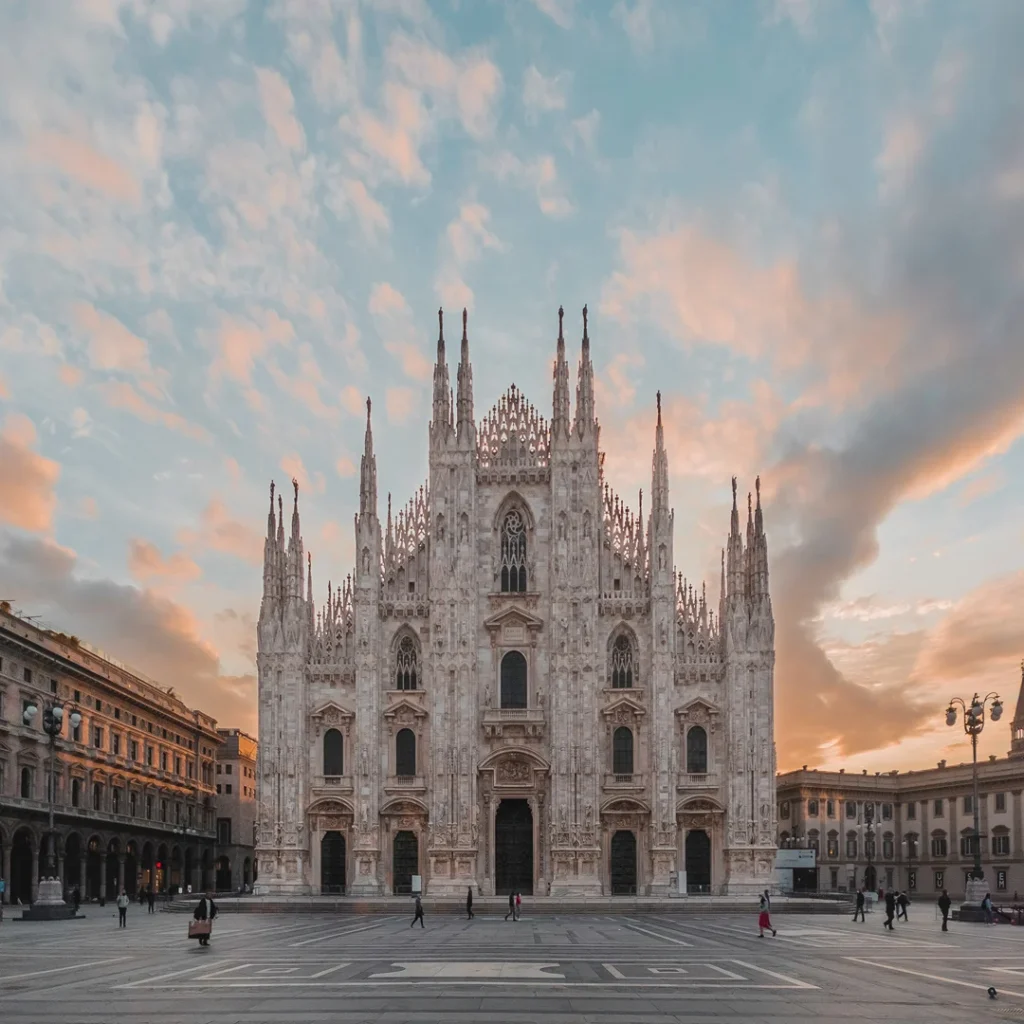
Politecnico di Milano
Number of places on the English-taught programme: 50
Acceptance rate for the ‘Architectural Design’ programme: 5%
Politecnico di Milano (the Polytechnic University of Milan) is a prestigious technical university in Italy. It particularly excels in architecture and urban planning, being one of the most highly regarded architecture schools in the world. In architecture, the Politecnico is recognised as one of the best universities, ranking 10th in the QS World University Rankings.
After Brexit, owing to the increased cost of studying, Politecnico di Milano is the only architecture school ranked in the world’s top 10 that offers an affordable bachelor’s degree in English. For this reason, competition during applications is high and a good entrance exam score is key. You can find more information about studying architecture at Politecnico di Milano in the article on our blog.
Politecnico di Torino
Number of places on the English-taught programme: 75
Acceptance rate for the ‘Architecture’ programme: 7.5%
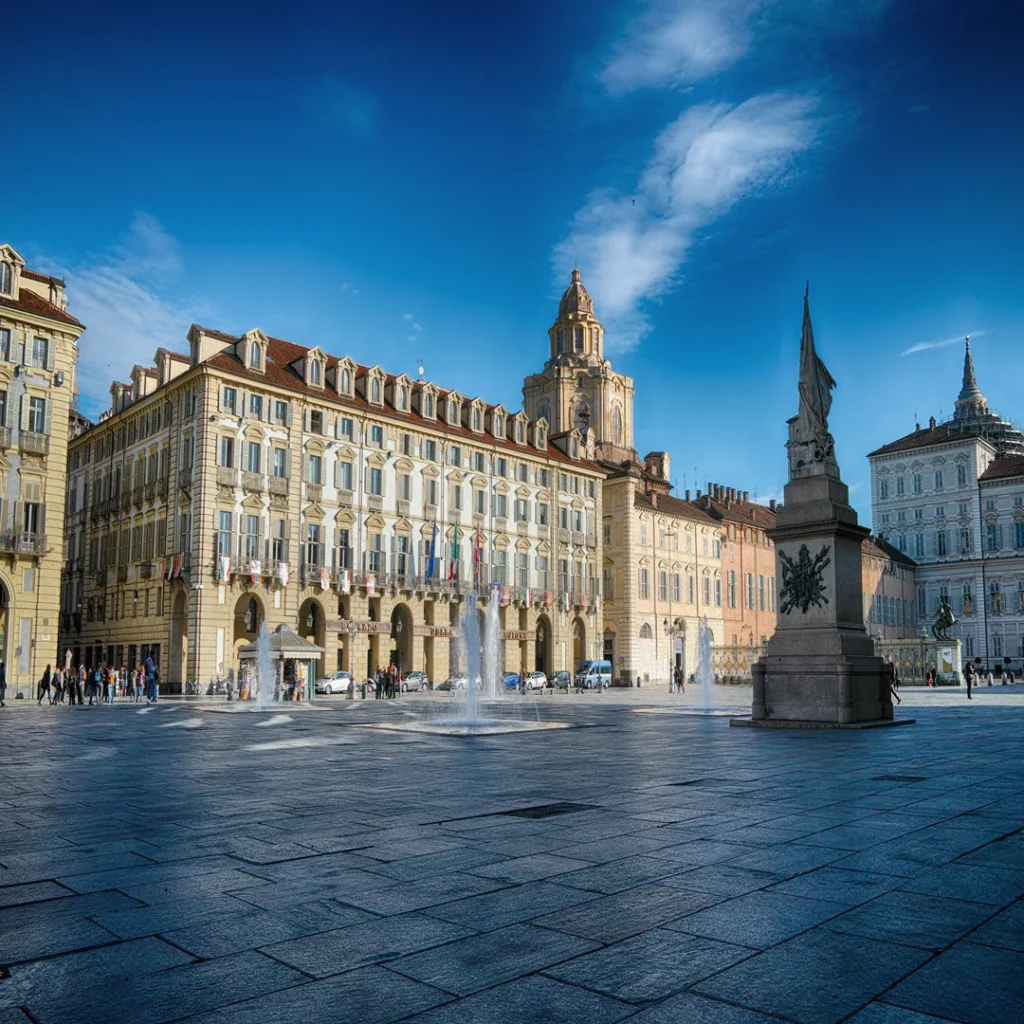
The Faculty of Architecture at Politecnico di Torino (the Polytechnic University of Turin) is one of the most important centres of architectural education in Italy. The English-taught programme at this faculty offers a wide range of classes, covering both core and specialist subjects. Students have the opportunity to explore various aspects of architecture, such as urban planning, structures and landscape architecture, as well as the application of new technologies and sustainable development. The QS World University Rankings, one of the most renowned international university rankings, placed the Faculty of Architecture at Politecnico di Torino 28th in the world in architecture. The ranking is proof of the high standard of teaching and research carried out by this faculty.
As with Politecnico di Milano, studying architecture in Turin is one of the more prestigious and future-proof university choices. After Brexit, Politecnico di Torino is a financially attractive option that will meet the expectations of every young architect and develop their skills in a modern way.
Why study architecture in Italy?
High rankings
Architecture schools in Italy occupy top positions in university rankings and are recognised as prestigious programmes that enable students to develop at the highest level.
Well-known universities
Italian polytechnics are among the better-known architecture schools, which has a positive effect on graduates’ employment rates and reputation.
Progressive teaching methods
Architecture degrees in Italy provide students with state-of-the-art computer programs, laboratories and tools.
Low study costs
Studying architecture in Italy is one of the cheapest options for studying abroad for Polish students.
Easy application process
Applying to study architecture in Italy consists solely of sitting an entrance exam.
A pleasant country and culture
Italy offers students a pleasant atmosphere and favourable weather, which encourages them to actively explore the country’s culture, architecture and history.
Claim your free online consultation
Book a free consultation and see how we can help you on your way to studying in Italy!
What are your options after studying architecture in Italy?
After completing a bachelor’s degree in architecture in Italy, you obtain the title of architect-engineer and can continue with a master’s degree in architecture at a university of your choice anywhere in the world.
After completing a master’s degree in architecture in Italy, you obtain an international architect’s certificate and can choose any country in which to complete the compulsory two-year traineeship.
The country you choose for your traineeship will probably become your future place of work, as the knowledge you gain during the traineeship is closely tied to the building regulations in force in that country.

Bachelor’s graduates of Politecnico di Milano very often continue with a master’s degree in Milan, owing to the simple application process for graduates and the high standard of the university. Students who do not continue with a master’s at Politecnico di Milano often go on to study at Delft University, the Massachusetts Institute of Technology or University College London.
It is worth remembering that after completing a bachelor’s degree in architecture at Politecnico di Milano we are not limited to studying architecture at master’s level. Thanks to the broad range of knowledge acquired during their studies, students will easily find their place on programmes such as design, interior architecture, or the art or real estate business.
Requirements and the application process
The process of applying to university in Italy is very simple compared with other countries. The only requirement is to sit an entrance exam consisting of five parts:
Text Comprehension
Logical Reasoning
History and General Knowledge
Drawing and Representation
Physics and Mathematics
Each part consists of 10 questions and lasts 20 minutes. A student gains 1 point for a correct answer and loses 0.25 points for a wrong one. The exam is taken online from home, and the candidate is monitored by two cameras and an application that scans the room.
The Politecnico di Torino test is taken the day before the Politecnico di Milano test. Both exams take place at the end of July. The exams have the same format and cover the same range of knowledge, so preparation for them is carried out in a similar way.
English proficiency is assessed through an internal exam or the IELTS, TOEFL, CAE and CPE tests. Your result in these exams will confirm your knowledge of English and help you apply successfully to study architecture in Italy.
A portfolio is not required to study architecture in Italy, as the polytechnics work on the assumption that they will teach students drawing and aesthetics during the bachelor’s degree.
In addition to traditional technical drawing classes, during the academic year students can attend additional ungraded classes in painting, sculpture and other artistic disciplines to develop their creativity.
Claim your free online consultation
Book a free consultation and see how we can help you on your way to studying in Italy!
Study costs and scholarships
The costs of studying at Politecnico di Milano and Politecnico di Torino include an entrance exam fee of €30 (Milan) or €50 (Turin) and a fee of €890 for accepting your place. An academic year costs around €3,500, and the fee is charged in March of the first year of study.
Entrance exam fee: €30 (Milan), €50 (Turin)
Fee for accepting your place: €890
Cost of one academic year: around €3,500
Find out about the scholarships offered by Italian universities.

Cost of living in Milan and Turin
The cost of living for a student in Milan is usually higher than in Turin, as Milan is one of the most expensive cities in Italy.
Accommodation
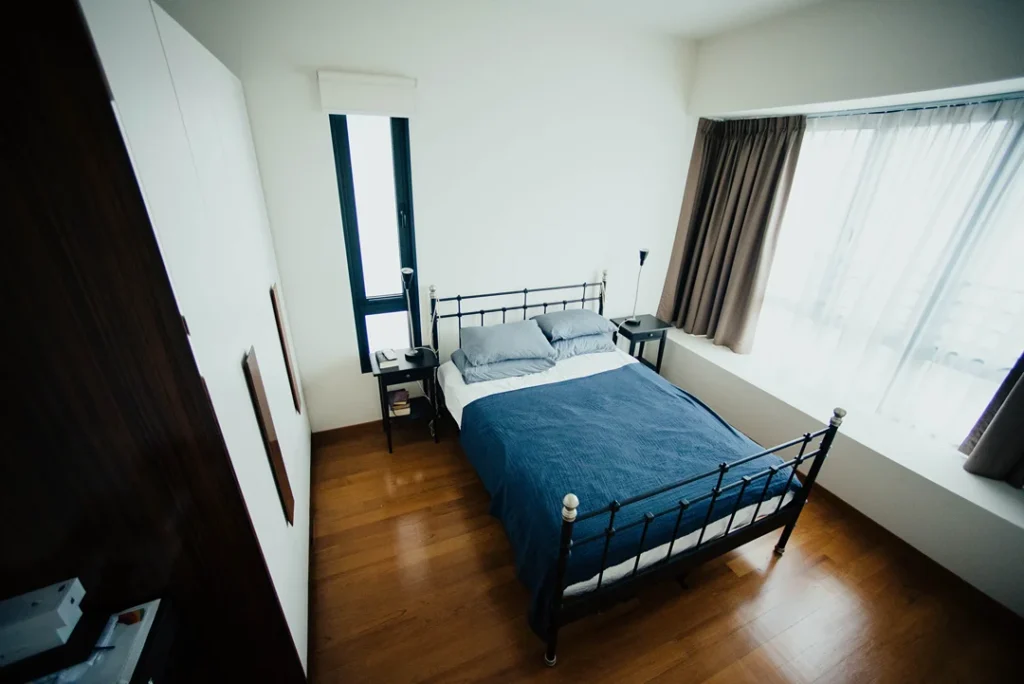
Milan: Rents in Milan are quite high, especially in the city centre. Students often share flats to reduce costs. Rent can range from €500 to €1,000 a month, depending on the location and standard of the flat. Halls of residence on university campuses may be slightly cheaper (€200–€400), but places may be limited, so it is worth staying alert and keeping an eye on availability.
Turin: In Turin, flat and hall of residence prices are lower than in Milan. Renting a flat can cost from €400 to €800, depending on the location and size of the flat. Halls of residence are also available in Turin and can be a cheaper option.

Food
Food costs in Milan and Turin are similar to those in other large cities in Italy. Students often use cheap options, such as ready meals in university canteens and supermarket shopping, to keep expenses down.
Price of a pizza in Milan: €7–15
Price of a pizza in Turin: €5–10
Transport
Milan and Turin have good public transport links, which makes getting around the city easy. A single public transport ticket costs around €1.50–€2.
Annual pass in Milan: €200
Annual pass in Turin: €258 (Turin is a smaller city and public transport is used less often)
Student reviews of studying architecture in Italy
“The international community at this school is quite incredible. It’s fantastic being able to meet people from all over the world who share the same interest. The school is very technical, I mean it’s called the ‘Politecnico’ haha but I feel like I’m learning all the skills I need to become an architect. Also, Milan is a great city, coming from a smaller town in the States I really enjoy the beautiful architecture, nightlife, and networking opportunities!”
Ray from the USA (Politecnico di Milano)
“Politecnico di Milano is my dream come true! The atmosphere at Polimi is very dynamic and the campus is buzzing with energy. You can make friends with people with similar interests by going to the many events or by joining an extracurricular club of your choice. Milan is a city full of life, which makes for a rich cultural and social life.”
Wiktoria from Poland (Politecnico di Milano)
“First of all the campus is really nice, located close to the city center in the middle of the best park in the city, we get to take our classes in the beautiful Valentino Castle, which motivates me a lot about studying architecture. Another thing I like is that we are very free, there is no such thing as an obligation to attend the lectures that helps you build self discipline and also provides us a completely autonomous education experience with some great professors that are very helpful and understanding.”
Deniz from Turkey (Politecnico di Torino)
FAQ
Absolutely! Architecture degrees at Politecnico di Milano and Politecnico di Torino are 100% in English. The only Italian language requirement set by the universities is reaching at least B1 level in Italian by the end of the bachelor’s degree. For this reason, the polytechnics offer free Italian lessons throughout the course of study.
The only requirement is completing 12 years of education. You can apply straight after finishing secondary school if you have completed 12 years of education, or after the first year of university if you have had 11 years of school education.
The ‘Architectural Design’ programme at Politecnico di Milano is an official architecture programme which absolutely qualifies you to practise as an architect.
Italian architecture degrees place great emphasis on practical and professional aspects. Students often take part in practical projects, workshops, placements in architectural practices and on building sites. As part of the curriculum, they are involved in real projects to gain professional work experience.
Polish architecture degrees are often more theoretical in nature. They focus on the history of architecture, design theory, urban planning and spatial analysis (drawing, sculpture). Although there is a practical component, greater emphasis is placed on the theoretical foundations of architecture.
Architecture degrees in Italy are demanding, but once you graduate you hold a respected position in the world of architecture, and earnings can be much higher than after graduating from other universities. In addition, an architecture graduate from Italy gains a wealth of experience thanks to Italy’s rich culture, which develops young architects’ creativity.

Who will be your adviser when applying to study architecture in Italy?
Iga Mencel – Head of Architectural Studies
Hi! My name is Iga and I am an architecture student at Politecnico di Milano. When applying to study architecture in Italy, I received offers from Politecnico di Milano and Torino, and I was one of the top-scoring applicants in Europe in the entrance exam.
During my architecture applications, I was also accepted by Eindhoven University of Technology and EPFL in Lausanne, and as part of my applications I passed the IELTS and DELF exams.
In 2023 my student achieved the highest score in Poland (12th in the world) in Politecnico di Milano test.
Thanks to my experience and passion for architecture, I will be delighted to help all candidates prepare for architecture entrance exams in Italy.